PFAS-Free Take-Out Packaging: A Practical State-by-State Guide (Updated September 2025)
As state regulations accelerate, PFAS-free food packaging is becoming the baseline for compliance. This guide explains what PFAS are, answers common questions, and summarizes current and forthcoming restrictions on intentionally added PFAS in paper, paperboard, and molded-fiber foodware. Use the interactive, color-coded map below to review effective dates and scope by state. When you are ready to transition, This Element provides verified PFAS-free molded fiber solutions to support consistent, multi-state compliance.
So what even is PFAS?
PFAS (per- and polyfluoroalkyl substances) are a large family of fluorinated chemicals prized for oil- and water-repellency. They’ve been used in everything from stain-resistant textiles to grease-proof food wrappers. The problem? PFAS are extremely persistent (“forever chemicals”) and some are linked to health concerns. In February 2024, the U.S. FDA announced that PFAS used in grease-proofing agents for paper/paperboard food packaging are no longer being sold by manufacturers for food-contact use, completing a voluntary market phase-out and “eliminating the primary source of dietary exposure from authorized food-contact uses.”
If your food packaging is substantially plant-fiber based (paper, paperboard, molded fiber/bagasse), many states now ban intentionally added PFAS (and several use a 100 ppm total organic fluorine screen). Examples include California AB 1200 and New York’s law, effective late 2022–2023; other states followed in 2023–2025. Use our interactive map below to view bans by state.
Ban in effectBan scheduledNo statewide ban
State-by-state PFAS rules for food packaging (paper/paperboard/molded fiber)
California — Ban in effect since Jan 1, 2023; covers plant fiber-based food packaging; triggers at intentionally added PFAS or ≥ 100 ppm total organic fluorine.
New York — Ban in effect since Dec 31, 2022; prohibits intentionally added PFAS in food packaging.
Washington — Ban in effect since 2023 for specified plant-fiber packaging types (e.g., wraps/liners, plates, food boats, pizza boxes) under the Safer Products program.
Minnesota — Ban in effect since Jan 1, 2024 for food packaging; broader “Amara’s Law” phases in additional product bans through 2032.
Maryland — Ban in effect since Jan 1, 2024 under the George “Walter” Taylor Act (covers direct-contact food packaging).
Vermont — Ban in effect since July 1, 2023 on intentionally added PFAS in food packaging.
Connecticut — Ban in effect since Dec 31, 2023 on intentionally added PFAS in food packaging.
Hawaii — Ban in effect since Dec 31, 2024 for specified plant-fiber packaging (wraps/liners, plates, food boats, pizza boxes).
Oregon — Ban in effect since Jan 1, 2025 on foodware containers with added PFAS (paired with EPS foam restrictions).
Rhode Island — Ban in effect since Jan 1, 2025 after a 2024 extension; applies to food packaging with intentionally added PFAS.
Colorado — Ban in effect since Jan 1, 2024 for food packaging with intentionally added PFAS (HB22-1345).
Maine — Rule adopted to prohibit PFAS in nine plant-fiber packaging types with an effective sell/offer date of May 25, 2026; Maine also enacted sweeping product restrictions phasing most PFAS out by 2032 (with CUU exemptions).
Note: Many states also regulate PFAS in other product categories (textiles, cookware, cosmetics) on separate timelines; check your full product mix if you sell beyond packaging.
Recent updates to know (2024–2025)
FDA market shift: U.S. manufacturers stopped selling PFAS-based grease-proofing agents for paper/board food packaging, per FDA (Feb 2024; reaffirmed Jan 2025). This took a major dietary PFAS source off the market, though imported goods and non-paper materials may differ.
Oregon and Rhode Island went live on Jan 1, 2025, joining the “no-PFAS in foodware/packaging” club.
Maine finalized a May 25, 2026 effective date for its plant-fiber packaging prohibition and adjusted its broader PFAS program (long-term phase-outs to 2032).
California is considering SB 682, which would further clamp down on PFAS in food packaging by 2028 if enacted; watch status.
Advocacy and state networks forecast continued 2025–2026 action on PFAS in consumer products, with many bills moving this year.
Common questions about PFAS & packaging
Does “PFAS-free” mean zero PFAS?
In regulatory language, most state laws target “intentionally added” PFAS. Some (like California) also use a 100 ppm total organic fluorine (TOF) screening threshold for plant-fiber packaging. “PFAS-free” in practice means no intentionally added PFAS and compliance with any TOF screens used in that state.
If FDA says grease-proofing PFAS aren’t sold anymore, why do states still ban?
Federal actions addressed a specific use (grease-proofing agents on paper/board) via voluntary phase-outs. State laws create binding, enforceable prohibitions for plant-fiber packaging and help close loopholes, cover imports, and maintain uniformity for retailers and municipalities.
Which materials are usually covered?
Most laws focus on plant-fiber packaging: paper, paperboard, molded fiber/bagasse, cardboard, bamboo, etc. (Plastic/metal/glass are typically out of scope unless state law says otherwise.)
How This Element keeps you compliant (and makes it easy)
PFAS-free molded fiber: Our bowls, trays, clamshells, and tableware meet strict state requirements for no intentionally added PFAS—ideal for California, New York, Washington, Minnesota, Maryland, Oregon, Rhode Island, and beyond.
What’s next? (2025–2028 outlook)
Expect continued expansion of PFAS-free mandates and enforcement (e.g., California DTSC has enforcement authority and can impose penalties). Several states are also moving toward broader PFAS product bans by 2030–2032 with “currently unavoidable use” exceptions—so designing PFAS-free now is future-proofing.
The safest, simplest path is PFAS-free molded fiber. You’ll meet leading state standards, align with FDA’s direction, and reassure customers who increasingly ask for fluorine-free packaging.
Need PFAS-free packaging? This Element has you covered with PFAS-free molded fiber solutions ready to ship.
We've been very happy with these lids. They fit securely, are sturdy, and work perfectly with our salad bowls. Great quality product and reliable for takeaway and delivery orders. Will definitely purchase again.
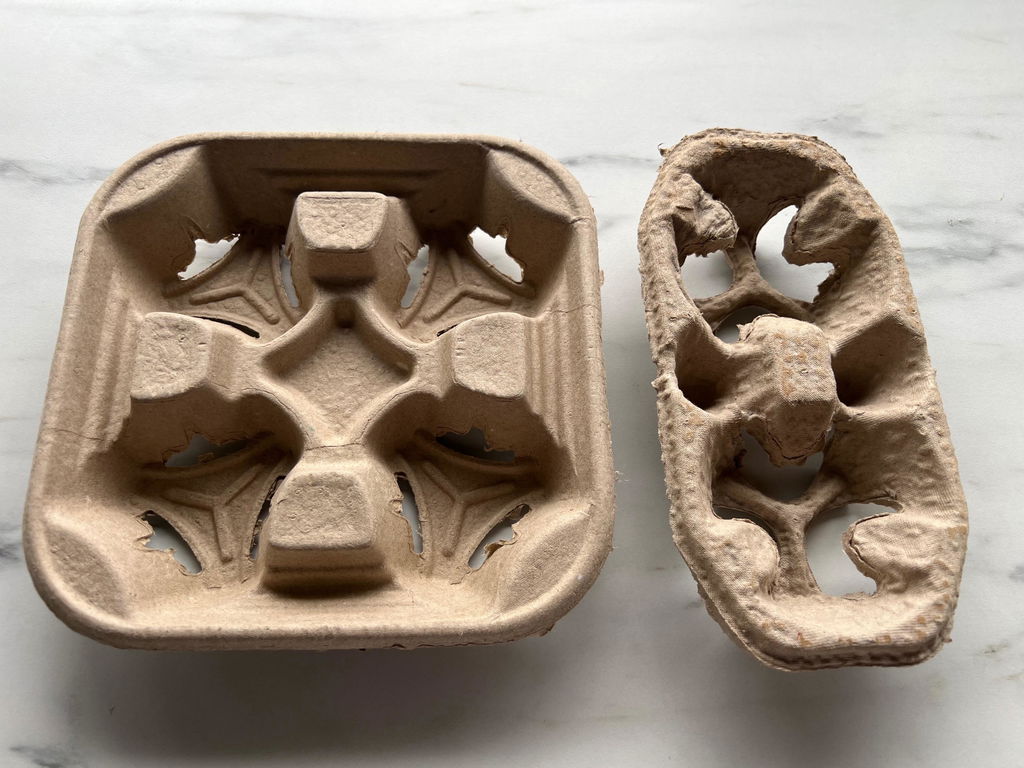
These are aesthetically ugly with brown stains, I get it probably recycled card pulp and it does the job of holding cups but I’m disappointed. Compared the 4 cup holders ones you sell, those are much nicer with cleaner edges and surfaces. I recommend you use the same supplier as the 4 cup design.


Leave a comment